01 THE MATERIAL
Same price.
Different materials.
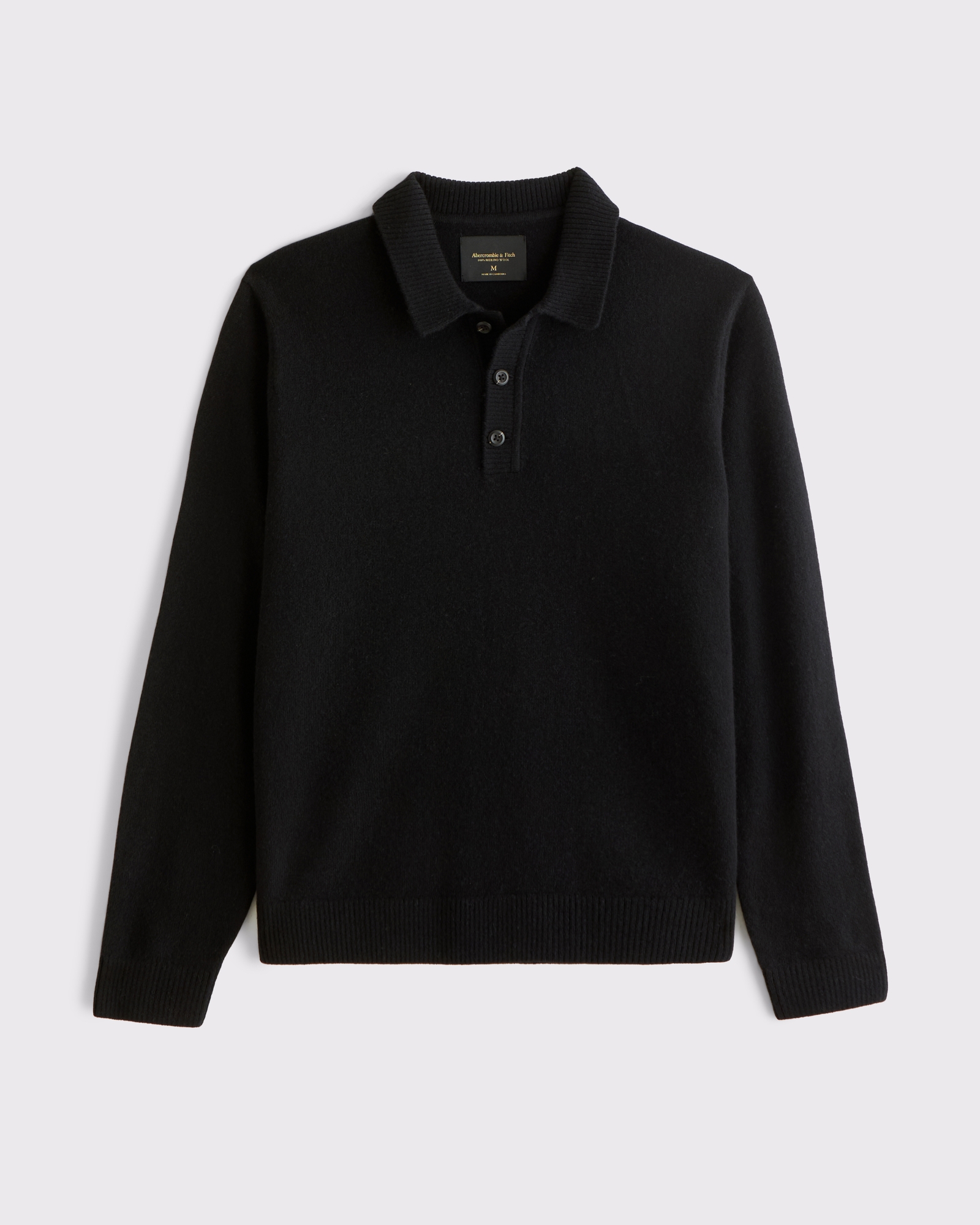
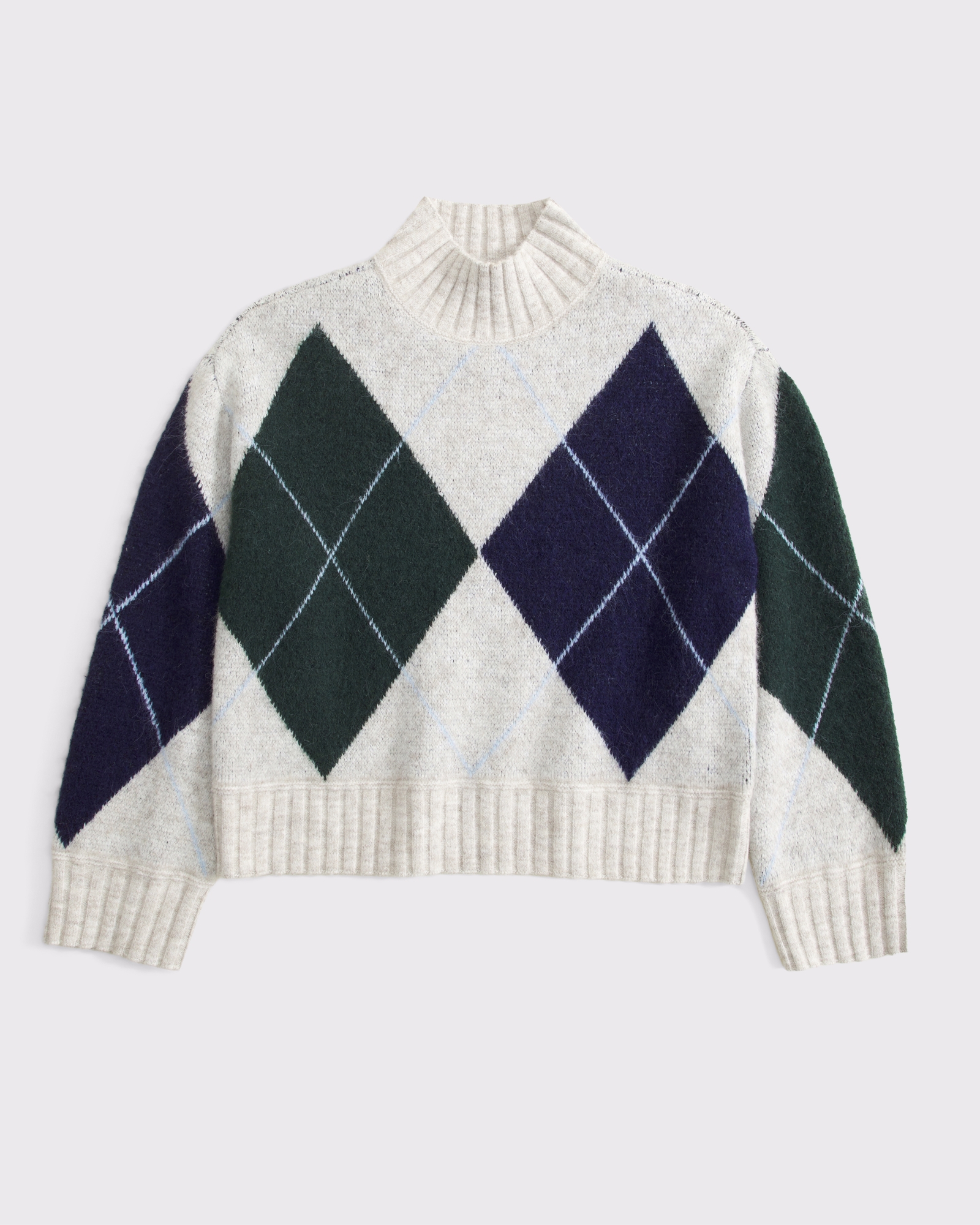
Two sweaters. Ninety-five dollars each. One contained 100% merino wool. The other contained 25% wool, blended with synthetic fibres.
The comparison between these two Abercrombie garments generated an understandable complaint about value. The men’s black sweater appeared to offer an established natural material; the women’s argyle design offered a smaller wool content for the same price. Consumers were entitled to notice the difference and to expect clear information about what they were buying.
Yet a composition label is not a complete measure of quality. It does not tell us how a garment is constructed, how it will perform in use, or what it cost to make. The comparison becomes more revealing when we attend to the assumptions around it: men buy practical things that last; women buy changing appearances. One consumer is imagined as rational. The other is imagined as easily distracted by fashion.
That distinction has a history. Animal materials help make it visible.
The evidence / October 2026What the sweater comparison can tell us
The opening concerns two specific US product listings recorded for the films on 19 October 2026. The men’s black collared sweater was listed at $95 with a body composition of 100% merino wool. The women’s argyle sweater was also $95, with 66% recycled polyester, 25% wool, 6% nylon and 3% elastane.
Those are a price and a material specification, not a laboratory test. The comparison does not establish either garment’s lifetime, manufacturing cost, profit margin or conditions of production. It does not prove that all womenswear is worse value. Prices and availability may have changed since the comparison was recorded.
Original listings: men’s merino sweater · women’s wool-blend sweater
A nineteenth-century gentleman could be clothed in wool, leather and felt made from animal hair without carrying an immediately recognisable animal on his body. Weaving transformed fleece into cloth. Tanning turned a skin into leather. Felting converted fur into a dense material for hats. The animal remained physically present, but its familiar shape was gone.
A beaver-felt top hat from around 1820–30 makes the point particularly well. It can be read as an emblem of male respectability before it is recognised as a product of an animal body. Later top hats were often made from silk plush rather than beaver. The material changed, but an animal origin could still disappear beneath an apparently ordinary description of dress.
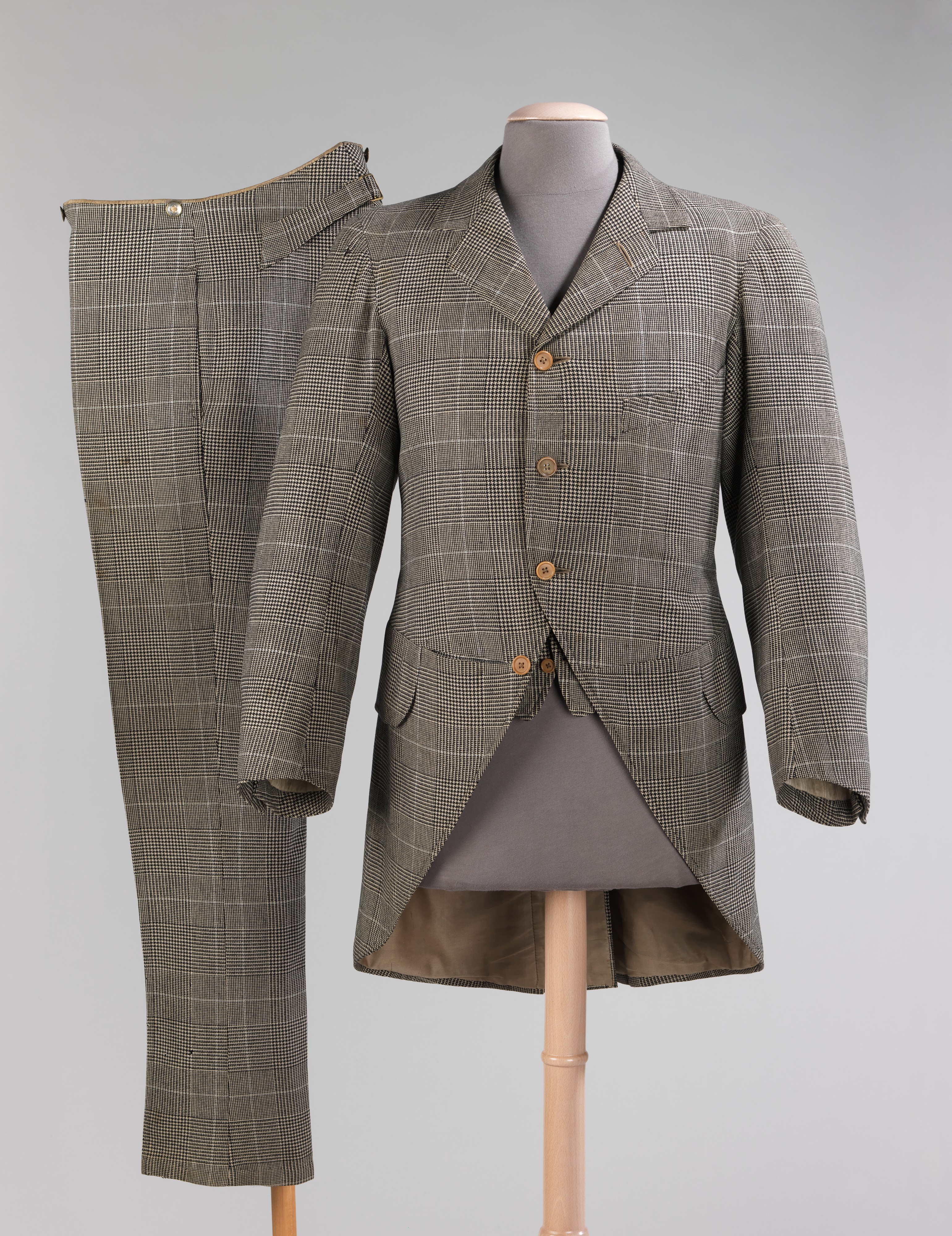 WOOL / 1894
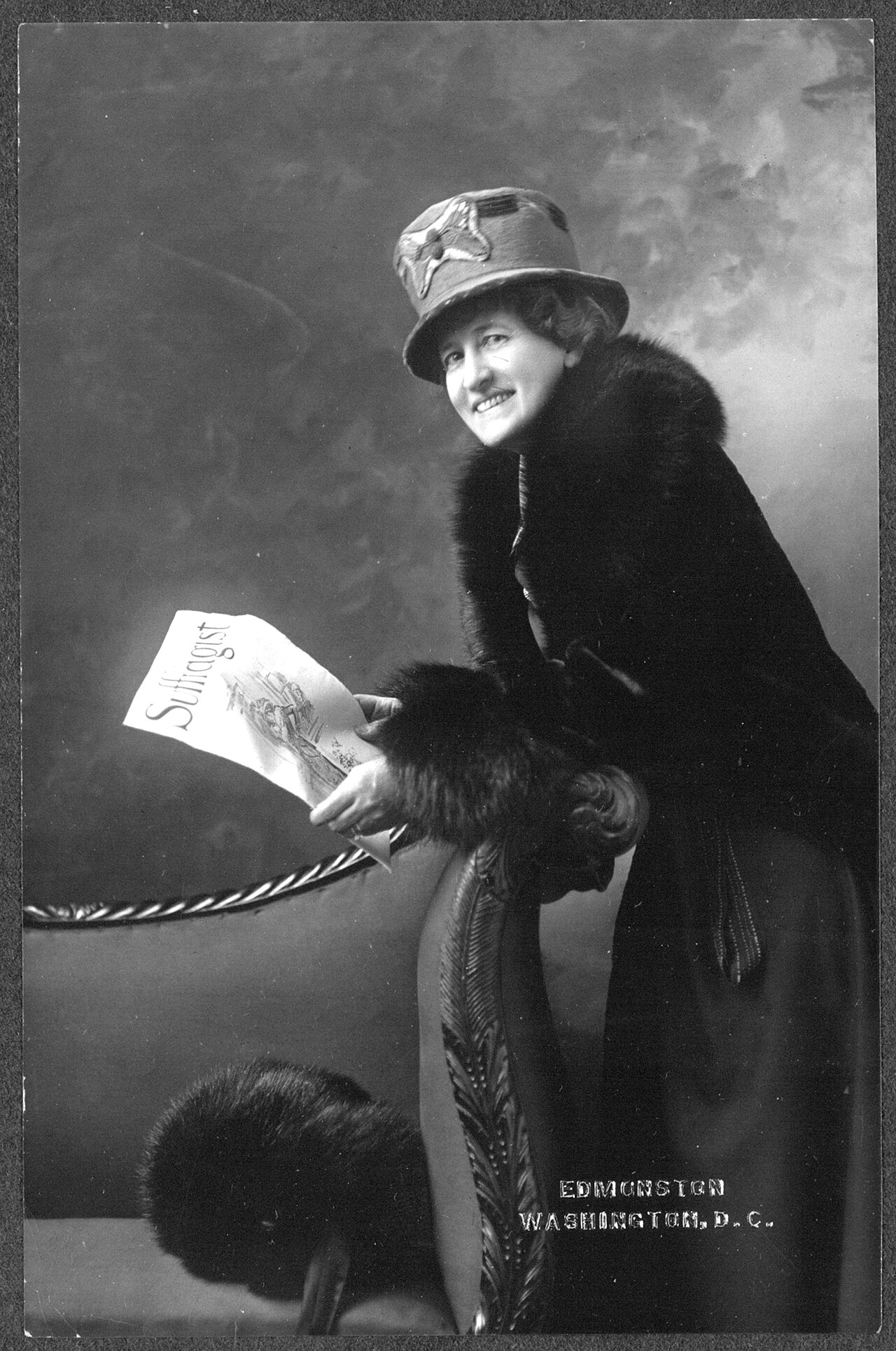 FOX FUR / 1904
A fox stole could work differently. With its head, paws and tail preserved, it invited recognition of the animal. A bird-trimmed hat could retain a wing or an entire body. Some women’s fashionable accessories displayed precisely the forms that processing had obscured in the male wardrobe. The distinction was not between wearing animals and refusing to wear them. It was between different ways of making animals appear.
Object study / About 1890A hat that keeps the bird recognisable
This hat makes the distinction tangible. The material has not simply become a neutral-looking textile: heads and beaks remain recognisable within the ornament. It is one specific example of a fashionable object that keeps animal anatomy in view, not a description of all women’s clothing.
This arrangement was neither timeless nor universal. Aristocratic men had used rich colours, embroidery, fur and feathers to assert wealth and power. The growing authority of restrained bourgeois dress in parts of eighteenth- and nineteenth-century Europe did not mean that men ceased to care about appearances. Expensive tailoring could advertise status through fit, finish and controlled detail.
The crucial achievement of this dress code was cultural: it allowed one kind of appearance to look like freedom from appearance. The well-dressed man could be understood as simply serious. The well-dressed woman remained visibly dressed.
The animal had not disappeared.
Its visibility had changed.
02 THE JUDGEMENT
The man who looked
above fashion.
An unobtrusive suit could make a conspicuous claim: that its wearer had risen above ornament, appetite and vanity.
In the ideal of the respectable modern man, restraint was more than taste. It could signal discipline, rationality and fitness for public authority. Clothes did not merely express a supposedly settled identity. They helped establish who was entitled to appear competent, civilised and in control.
Fashionable women were often placed on the other side of that division. Their changing silhouettes and ornaments could be read as signs of instability or excessive attachment to appearance. A visible animal body made a particularly forceful image for this criticism. A bird on a hat could turn the wearer into the embodiment of consumption itself.
Theory / Barbara VinkenThe “neutral” man
Fashion theorist Barbara Vinken describes a modern convention in which masculine dress presents itself as neutral, while feminine dress is marked as bodily and fashionable. The suit can make its own rules disappear into the language of seriousness. It looks like the absence of fashion precisely because its conventions have become authoritative.
This is an interpretation of a historical order, not a claim that men and women naturally want different clothes. Vinken also stresses fashion’s capacity to cross and disturb the boundaries it inherits. Borrowing a silhouette, exaggerating an ornament or changing who wears it can expose the rule.
These judgements also drew on colonial ideas about human difference. Critics compared feather-wearing European women with Indigenous people whom they represented as “primitive”. The comparison did not explain either group’s clothing. It stripped different forms of adornment of their social meanings and arranged their wearers on an invented ladder of progress, with the restrained white European man placed at the top. This intersection of nature, consumption and moral judgement is explored in Jennifer Price’s Flight Maps.
Such comparisons tell us nothing reliable about the meanings of feather adornment in the different societies of New Guinea, or about the people wearing it. They tell us about the European observer’s assumptions. Treating it as evidence of an earlier stage of humanity was a racist interpretation, not a neutral description. In the European argument, its purpose was to make the supposedly modern man look further removed from nature than the people against whom he defined himself.
Historical rhetoric / Austria, 1914A hierarchy disguised as progress
A 1914 Austrian nature-protection text condemned a handbag made from a mole while using a derogatory comparison with Indigenous adornment. It appealed to respectable women to reject the fashion. Concern for the animal and contempt for the fashionable wearer appeared in the same argument, with a colonial stereotype supplying the language of condemnation.
The example matters because the hierarchy was not confined to feathers. It could travel between animals and accessories. A judgement about one garment became a judgement about the civilisation of its wearer.
Anonymous, “Der Maulwurf als Handtasche”, 1914, reproduced in the research underlying this essay. Naturschutzbund periodical index
A feather-wearing woman becomes a “bird of prey”. Satire makes the human wearer, rather than the trade, the visible predator.
Image detailsThat history is one reason to be cautious about treating ornament as self-evidently frivolous. The judgement often says as much about the authority of the observer as it does about the object. An animal preserved for a collection could be dignified as knowledge; an animal preserved for a woman’s hat could be condemned as vanity. The difference deserves explanation rather than automatic acceptance.
Objects / Who gets to collect?The bird in the museum. The bird on the hat.
A preserved animal does not mean the same thing everywhere. A bird in a museum case may become a specimen, a record of a species or an object of study. On a hat, a similarly preserved body may be treated as evidence of the wearer’s vanity. The setting supplies an explanation for the animal’s death and a judgement about the person who possesses it.
This contrast is an analytical comparison, not a claim that all museums were innocent or that all collectors were men. Scientific collecting and the feather trade belonged to overlapping economies of hunting, preservation and circulation. The point is that some uses of animals could claim the authority of knowledge, while others were dismissed as mere decoration.
Keeping the two settings in view changes the question of responsibility. The fashionable woman is no longer the only person whose relation to animal bodies deserves examination.
Thorstein Veblen offered a powerful way to expose the status work concealed in respectable dress. In The Theory of the Leisure Class (1899), clothes advertise both wealth and distance from manual labour. His criticism includes gentlemen’s polished shoes, spotless linen, tall hats and walking sticks. The apparently practical man is not outside the economy of display.
Veblen also interpreted women’s conspicuous consumption as a display of the household’s standing, often organised around its male head. This identified a patriarchal relationship: a woman’s appearance could serve as public evidence of someone else’s wealth. But that model becomes too restrictive if it is allowed to explain all of her attachments to clothing. It leaves less room for her own taste, skill, political expression and pleasure.
Biography / 1857–1929Thorstein Veblen
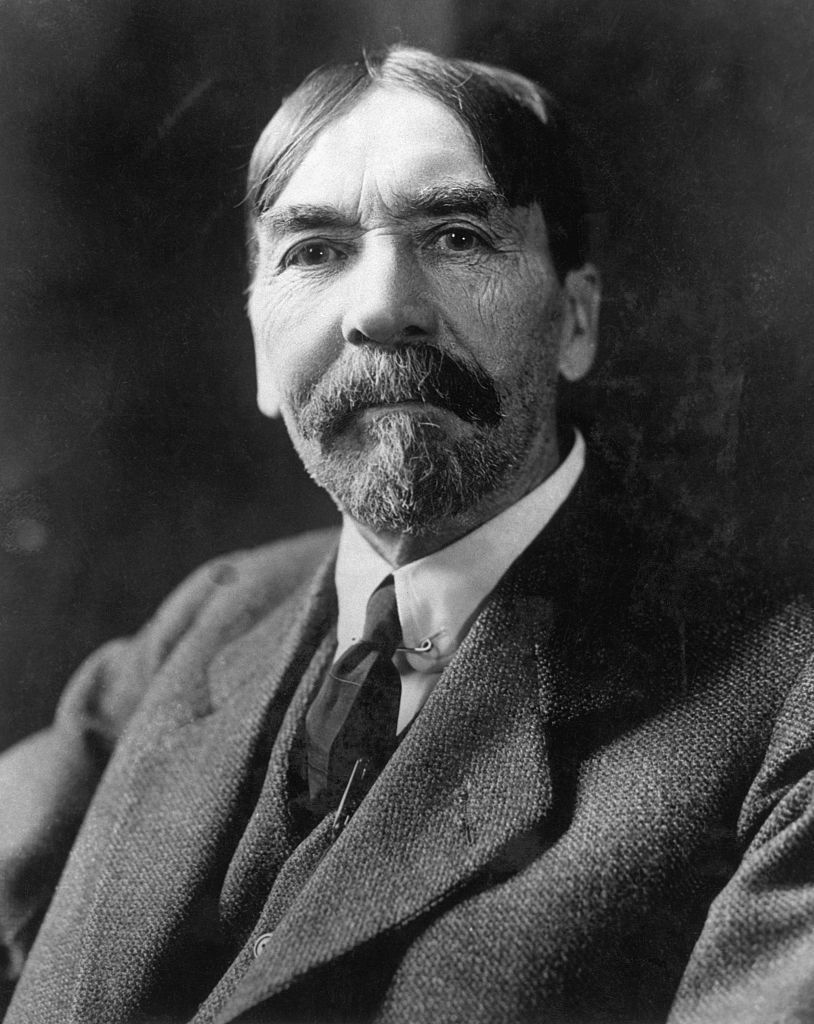
Thorstein Veblen was an American economist and social critic, born in Wisconsin to Norwegian farming parents. His 1899 book The Theory of the Leisure Class made consumption central to the study of social rank. He became a member of the New School’s first core faculty in 1919. His relevance here is simple: practical-looking clothes can still announce wealth and status. His account helps expose the conventions of the patriarchal household, but it should not be mistaken for a complete explanation of every woman’s choices.
Thorstein Veblen, Histories of The New School · Veblen authority record, The New School Archives · Dress as an Expression of the Pecuniary Culture
Veblen helps us see that status does not vanish when colour and ornament become restrained. His account also needs to be read critically. Women are not simply billboards for men, just as men are not naturally indifferent to fashion. Dress can repeat a social rule, negotiate it, or make it visible enough to challenge.
The judgement depended on
who was wearing it.
Who gets to look modern?
The suit, colonial hierarchies and Veblen’s theory of display.
Watch on YouTube about 2 minutes03 THE BLAME
Protect the animal.
Question the blame.
When a campaign makes one woman the face of an industry, it also decides who can remain out of the picture.
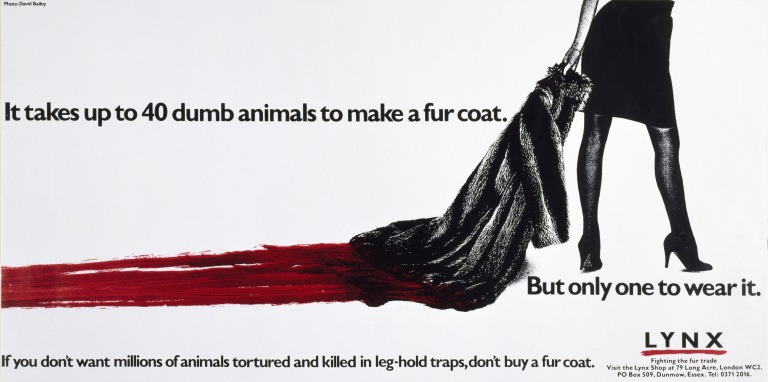
A famous 1980s anti-fur advertisement declared: “It takes up to forty dumb animals to make a fur coat. But only one to wear it.” The image showed a fashionably dressed woman dragging a coat through a trail of blood. First issued by Greenpeace and subsequently associated with Lynx, the campaign made the animal’s death impossible to separate from the garment.
The suffering being opposed was real. But the copy did something in addition to exposing it: it made the woman stupid. The wearer became the moral centre of the image, while the commercial chain that produced and sold the coat remained outside the frame. The V&A’s history of the campaign acknowledges the controversy around its sexist undertones.
This is a question of how responsibility is distributed. A consumer can be accountable for a choice without being made to stand for an entire industry. Breeders, hunters, traders, manufacturers and retailers also act. An insult about feminine vanity can make that network less visible even while an advertisement makes animal suffering more visible.
Ethics / A sharper criticismAnimal protection without contempt for women
Recognising sexism in a campaign does not make animal suffering imaginary. It identifies a choice about how that suffering is explained. The coat’s wearer can have responsibility without becoming a convenient substitute for every participant in the trade.
Feminist criticism also needs to remember the women whose animal-protection work was itself dismissed as sentimentality. Diana Donald’s history of nineteenth-century British campaigning shows why “women versus animal welfare” is a false opposition. Women could be the consumers being accused, the workers producing goods, and the people building organised resistance to cruelty.
An adequate critique keeps those positions distinct. It examines breeding, killing, labour, manufacture, marketing and consumption rather than treating a woman’s desire to dress as the explanation for an entire system.
Field note / The life of a sloganWhen an advertisement becomes a “proverb”
Ratingen / 9 March 2022
In a museum display photographed during the research behind this series, a German version of the slogan was labelled Sprichwort: proverb. The photograph records that presentation. It does not establish an older proverbial origin for the phrase.
The label matters. Advertising is made by particular people, for a particular campaign. Presenting its insult as a proverb can make a historically situated judgement appear to be anonymous common wisdom. A museum can preserve such rhetoric while also explaining who produced it, whom it addressed and what its description of women made possible.
The feather campaigns of the late nineteenth and early twentieth centuries reveal a related tension. The demand for ornamental plumage created real pressure on birds. At the same time, the fashionable woman became an especially available target for ridicule and moral instruction. Her hat offered a public surface on which a complicated economy could be condensed into a personal failing.
Yet women were also among the people organising against the trade. Emily Williamson began the Society for the Protection of Birds in 1889. Etta Lemon and Eliza Phillips helped turn concern into persistent campaigning. In Massachusetts, Harriet Hemenway and Minna Hall built another influential organisation. This history cannot be told as knowledgeable men rescuing animals from thoughtless women.
Women who
changed the argument.
Biography / 1855–1936Emily Williamson
At her Didsbury home in 1889, Emily Williamson began the Society for the Protection of Birds. She mobilised women against the killing of birds for fashionable ornament, gathering pledges through personal networks. Her initiative helped establish the organisation that became the RSPB, demonstrating how a supposedly private feminine sphere could support sustained public campaigning. In this essay, she matters as an organiser of collective action, not simply as a critic of what other women wore.
How it started: the female campaigners who created the RSPB · International Women's Day: Inspiring Female Figures
Biography / 1860–1953Etta Lemon
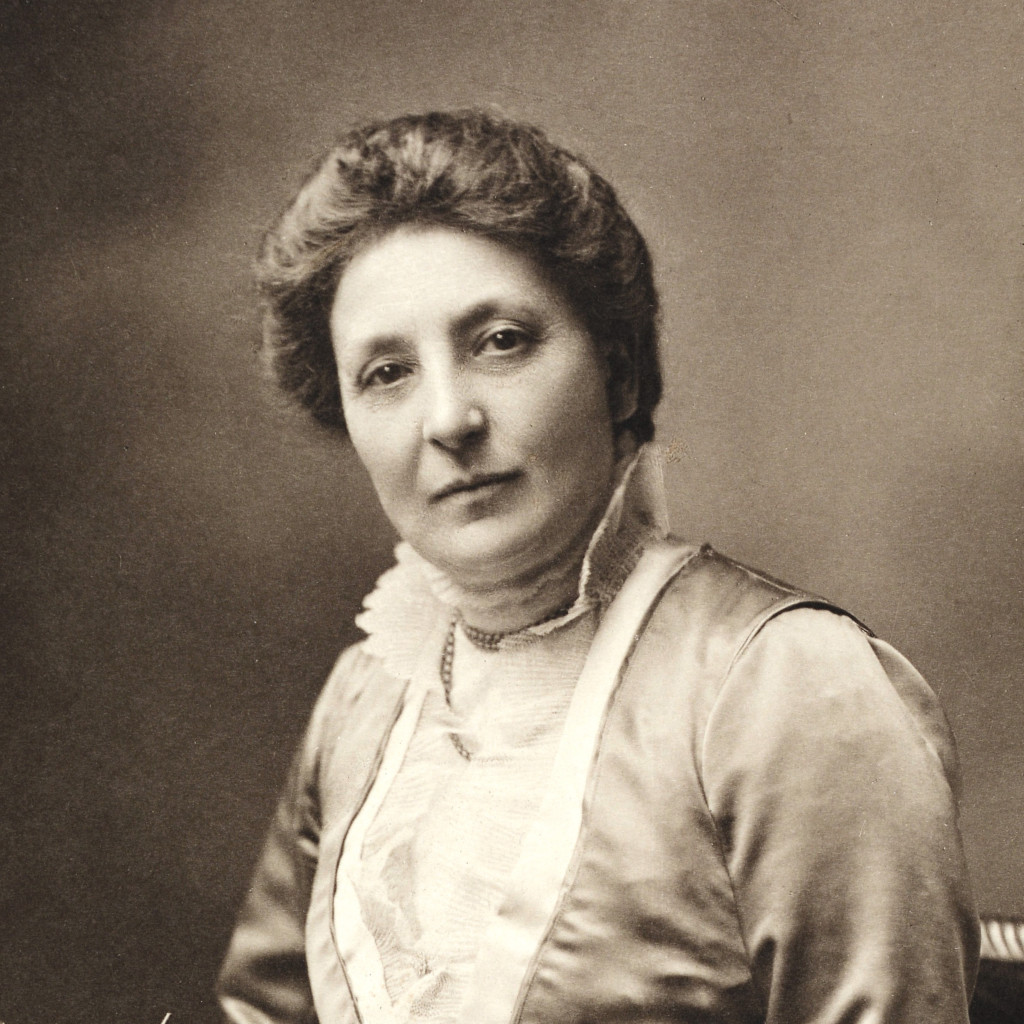
Etta Lemon helped build the early bird-protection movement through organising, public speaking and pressure on the plumage trade. She also opposed women's parliamentary suffrage. A letter she published in the Surrey Mirror in June 1908 announced her involvement in organised anti-suffrage campaigning. Her career makes an uncomfortable point: a woman could exercise formidable political power while defending a system that denied women the vote. This contradiction complicates any simple equation between pioneering conservation and progressive gender politics.
How it started: the female campaigners who created the RSPB · International Women's Day: Inspiring Female Figures · The skeleton in the RSPB closet
Biography / c. 1823–1916Eliza Phillips
Eliza Phillips made publishing central to bird protection. As the early society's head of publications, she produced campaigning pamphlets and directed a major egret campaign in 1903. Her work translated concern for animals into material that could circulate through homes, shops and public debate. She left bequests for animal welfare when she died in 1916. Print made female consumption politically discussable, but it also reveals women producing and directing the debate themselves.
How it started: the female campaigners who created the RSPB · International Women's Day: Inspiring Female Figures · Tribute to Eliza Phillips
Biography / Conservation organisersHarriet Hemenway and Minna Hall
Cousins Harriet Hemenway and Minna Hall helped found the Massachusetts Audubon Society in 1896. They used tea parties and social connections to persuade women to reject wild-bird plumage, then worked with ornithologists to build an organisation. Hall developed publications and a travelling library; Hemenway supplied money and leadership. Women were not merely the customers targeted by conservation. They were among its organisers. Their example makes it impossible to tell the feather story as a battle between men who understood nature and women who destroyed it.
Their political positions were not interchangeable. Lemon opposed women’s parliamentary suffrage even while exercising considerable influence in public life. Other bird-protection supporters participated in the movement for women’s votes. Conservation and emancipation could reinforce one another, coexist uneasily, or become competing claims to moral authority.
Politics / Conservation and the voteBird protection was not one political camp
Etta Lemon’s conservation work coexisted with organised opposition to women’s suffrage. Her June 1908 letter to the Surrey Mirror, reproduced by historian Tessa Boase, makes that position explicit. The Ashmolean also records her use of feather wearing to question women’s fitness to vote.
But the same museum notes that prominent Society for the Protection of Birds members joined the Women’s Social and Political Union. Saving birds did not dictate one position on women’s political rights. Nor should Lemon’s documented views be assigned to Emily Williamson, Eliza Phillips or every other woman in the movement.
The disagreement matters because women’s dress became evidence in arguments about citizenship. Concern for animals could open a route into public life for women, while judgements about other women’s appearance could help close that route.
Tessa Boase: Etta Lemon’s anti-suffrage letter · Ashmolean: Victorian fashion and political change
The suffragettes make the opposition between fashion and seriousness still harder to sustain. Their public campaign had a visual life. Dress, colours, badges and designed objects could communicate solidarity and assert a right to be seen. Appearance was one of the means through which political action became recognisable.
Appearance as
political action.
Biography / 1858–1928Emmeline Pankhurst
Emmeline Pankhurst founded the Women's Social and Political Union with her daughter Christabel in Manchester in 1903. Its militant campaign demanded votes for women. London Museum preserves a purple ostrich feather associated with a hat she wore during campaigning in 1909. Clothing could communicate political identity: the feather belonged to a public figure seeking authority, rather than proving an absence of serious purpose. The object also reminds us that political movements operate through appearances as well as speeches.
Biography / 1882–1960Sylvia Pankhurst
Sylvia Pankhurst was a suffragette, socialist and trained artist. Her designs gave the campaign a recognisable visual language, appearing on membership cards, badges and other objects. She later organised with working-class women in east London and opposed fascism and colonial domination. Her career helps dislodge the idea that decoration and political seriousness must be opposites. A designed badge or colour scheme could make solidarity visible and help a movement claim space in public.
Sylvia Pankhurst: Suffragette, artist, activist · Sylvia Pankhurst
One object / One important distinctionThe purple feather is not proof of hypocrisy
London Museum’s surviving feather associated with Emmeline Pankhurst’s campaigning hat is identified as ostrich. That is a crucial material detail. The Society for the Protection of Birds’ pledge made exceptions for ostrich feathers and birds killed for food.
The feather therefore cannot, on its own, establish that Pankhurst violated that pledge or wore the plumage of an endangered wild bird. Treating every feather as interchangeable repeats the mistake of letting a visual impression stand in for knowledge of a material and its production.
Her hat can instead be read as part of the visual life of politics. A woman could dress conspicuously and still organise, argue, resist and demand political rights.
London Museum: the hat feather · Te Papa: the pledge and its exceptions
These histories bring us back to the sweaters with a more precise vocabulary. A shopper can reasonably object to a material specification at a particular price. She does not need to renounce design, colour or novelty to deserve good clothing. Nor does a man’s preference for a restrained garment put him outside fashion or outside the animal economy.
Wool, leather, felt and fur involve different processes and deserve specific scrutiny. Recognising their animal origins does not mean treating every material as identical. It means refusing to let visual familiarity decide which dependencies count. The animal concealed in a supposedly sensible garment remains part of the story.
The strongest criticism follows the product through its materials, manufacture, marketing and use. It asks what a seller is offering and what a consumer can reasonably know. It can take animal welfare seriously while refusing the old shortcut that turns a woman’s pleasure in dress into a moral defect.
A woman’s vanity explains neither
the quality of a sweater nor the conditions of its making.
Fur and the blame game
Animal protection, women’s activism and the return to the sweater.
Watch on YouTube about 2 minutes+ FURTHER READING
Pull another
thread.
Three routes into the ideas behind this essay. Open a shelf for annotated books, original arguments and museum objects. Linked source material also appears beside the claims it supports.
Further readingDress, status & the “neutral” man
- Thorstein Veblen
The Theory of the Leisure Class
1899; chapter 7 available freely via Brock University’s Mead ProjectThe original argument about dress, status and conspicuous consumption. Read it critically as a product of its own historical moment.
- Barbara Vinken
Angezogen. Das Geheimnis der Mode
Klett-Cotta, 2013A German-language account of fashion, gender and the modern claim to masculine neutrality.
- Christopher Breward
The Suit: Form, Function and Style
Reaktion Books, 2016; paperback 2021For the cultural work of the suit, including its links to respectability and the people who use it to challenge convention.
- Elizabeth Wilson
Adorned in Dreams: Fashion and Modernity
First published 1985; publisher link points to a current reissueA wider account of fashion as part of modern social and cultural life, useful for taking dress seriously without reducing it to vanity.
Further readingFeathers, women & organised change
- Jennifer Price
Flight Maps: Adventures with Nature in Modern America
Basic Books, 1999; paperback edition, 6 April 2000A cultural history of everyday encounters with nature, including the campaign against bird-decorated women’s hats. Particularly useful for asking why certain uses of animals became visible as moral problems.
- Tessa Boase
Etta Lemon: The Woman Who Saved the Birds
Aurum, 2021; first published as Mrs Pankhurst's Purple Feather in 2018For conservation, class, fashion and suffrage. First published as Mrs Pankhurst’s Purple Feather (2018), retitled Etta Lemon in 2021. These are editions of the same work.
- Diana Donald
Women against Cruelty: Protection of Animals in Nineteenth-Century Britain
Manchester University Press, revised edition 2021A history of women’s animal-protection work and the gendered reactions that it provoked.
- Claire Regnault
Dressed: Fashionable Dress in Aotearoa New Zealand from 1840 to 1910
Te Papa Press, 2021The linked museum essay provides an accessible introduction and references to the global feather economy.
Further readingFur, images & material evidence
- Julia V. Emberley
The Cultural Politics of Fur
Cornell University Press, 1997; McGill-Queen’s University Press edition, 1998A central feminist study of fur as a material shaped by class, gender and colonial power. Especially relevant to who is blamed in anti-fur campaigns and whose livelihoods disappear from the argument.
- Janice Li
Dumb Animals: Lynx’s Campaign Against the Fur Industry
V&A, 2019; credits updated 2021The museum’s account of the poster, its makers and the controversy around sexist campaign rhetoric.
- London Museum
Emmeline Pankhurst's hat feather, 1909
A material object that complicates an easy opposition between fashion and political action.
- Victoria and Albert Museum, with the Natural History Museum
Fashioned from the animal kingdom
Online collection feature, updated 17 April 2024A material-focused starting point for tracing the animals inside objects and clothing, including baleen and jewel beetles.
The visual archiveImage credits & editorial notes
Images are presented as historical evidence and objects of criticism. Their inclusion does not imply endorsement of the stereotypes or campaigns they depict.
- Abercrombie: 100% merino collared sweater
Abercrombie & Fitch - Abercrombie: wool-blend argyle sweater
Abercrombie & Fitch - Thorstein Veblen, seated portrait
Thorstein Veblen, photographer and date unrecorded. Via Wikimedia Commons, Veblen3a.jpg. - A Bird of Prey
Linley Sambourne, A Bird of Prey, Punch, 14 May 1892, p. 231. Digital source: Project Gutenberg, eBook 14694. - Etta Lemon, mayoress of Reigate, 1913
Etta Lemon, 1913. Surrey History Centre, ref. 6918/1/4/4; photographer unidentified. Via Wikimedia Commons. - Dumb Animals anti-fur poster
David Bailey (photography), Alan Page (copy), Jeremy Pemberton (art direction), Yellowhammer Advertising Ltd; publisher Lynx. © Victoria and Albert Museum, London. - The slogan displayed as a proverb
Author’s photograph, research archive, Ratingen, 9 March 2022. - Hat
Brooklyn Museum Costume Collection at The Metropolitan Museum of Art, Gift of the Brooklyn Museum, 2009; Gift of Pratt Institute, 1943; The Metropolitan Museum of Art - Mrs George Elder Adams wearing fox fur
Edmonston, Washington, D.C., photographer. Via Wikimedia Commons. - J.B. Johnstone, British wool suit, 1894
J.B. Johnstone, Suit, 1894, wool. Brooklyn Museum Costume Collection at The Metropolitan Museum of Art, Gift of the Brooklyn Museum, 2009; Designated Purchase Fund, 1983 (2009.300.548a-c). Public domain.
Editorial note: the retail comparison is dated. Interpretative connections are distinguished from object records. Historical campaign slogans are attributed as claims, not presented as universal facts.
The Bird Behind
the Angel.
Feathers, fantasy and the animals behind fashion’s wings.
Read the illustrated essay