01 THE FANTASY
A woman.
A bird. A spectacle.
The Victoria’s Secret Angel is a familiar hybrid: a woman’s body framed by the anatomy of a bird. The wings enlarge her silhouette, announce her entrance and turn lingerie into theatre.
Heavenly innocence and sexual display occupy the same image. She is offered as both desirable and otherworldly. The bird supplies the shape that makes this transformation seem effortless.
At the 2026 show, that fantasy remained unmistakable. Yet the production notes state that no real feathers were used. This distinction matters: an animal can disappear from a garment’s materials while remaining central to its meaning.
Fashion’s bird-women do not all promise innocence. Alexander McQueen’s autumn/winter 2009–10 feather dress turns the body into a dark, enveloping silhouette. The Met identifies its material as black duck feathers. Its raven-like appearance brings associations of death and mourning into the language of couture. Here the woman seems formidable, even ominous.
Lana Del Rey’s Gucci ensemble at the 2018 Met Gala offered another combination: birds around a halo, religious imagery turned into fashion spectacle. Angel, omen, sacred figure—the bird makes each body more than simply human. These are different fantasies, assembled from a shared visual vocabulary.
But a feather is more than a sign. Before it becomes a symbol of freedom, danger or beauty, it belongs to an animal.
02 THE BODY
The decoration
was once alive.
The nineteenth-century feather trade makes that origin difficult to avoid. Plumes, wings and whole birds became fashionable hat trimmings. The hat made by Mlle. Louise around 1890 is almost a miniature habitat: woven fibres suggest a nest, with preserved birds arranged above it. The animal has become both material and ornament.
The demand was destructive. Mass Audubon’s history describes birds killed for fashionable plumage and the campaign to end the trade. A beautiful surface could conceal the conditions of its production. With an entire bird on a hat, however, the body was also conspicuously on display.
Women became central to the response. In Britain, Emily Williamson founded the Society for the Protection of Birds in 1889. Eliza Phillips and Etta Lemon were also formative campaigners in the movement that became the RSPB. Across the Atlantic, Harriet Hemenway and Minna Hall established Massachusetts Audubon in 1896.
Women were wearers, organisers, persuaders and critics. Their involvement complicates any easy account of thoughtless female consumers rescued by enlightened outsiders. It also leaves room for an uncomfortable fact: care for animals did not necessarily mean support for women’s political equality.
SIDE NOTE / OPEN TO EXPLORESaving birds,
resisting votes.
Surrey History Centre
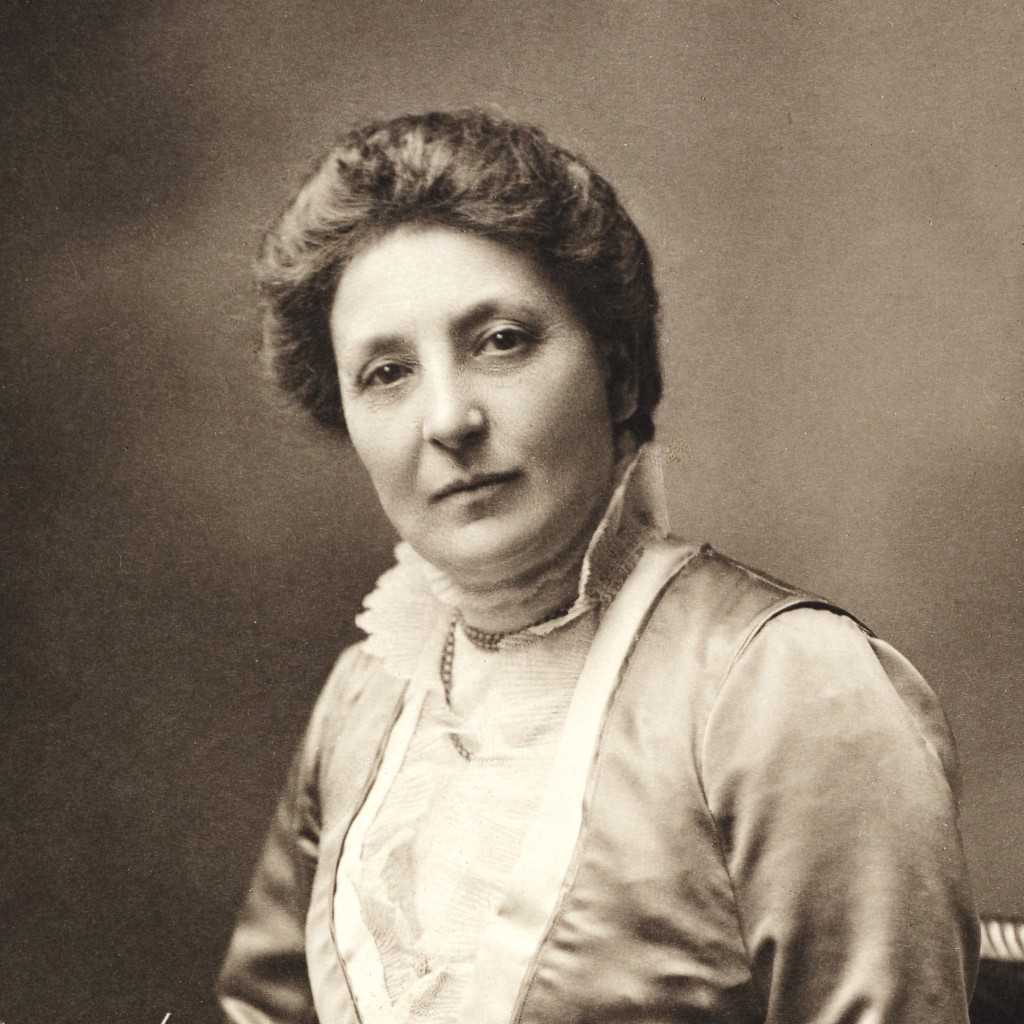
The women who challenged feather fashions did not share one political programme. Etta Lemon, a leading organiser of the society that became the RSPB, actively opposed votes for women. In a 1908 letter to the Surrey Mirror, she announced her work for an anti-suffrage organisation and invited local women to join her. Historian Tessa Boase reproduces the letter in her research.
This was a striking combination: a woman exercising public authority while resisting women’s parliamentary enfranchisement. The RSPB also recalls how Lemon shamed women who wore feathers in church. Protection could coexist with conservative ideas about women’s proper conduct. The cruelty was real; the politics of opposing it were not automatically emancipatory.
The distinction between individuals matters. Emily Williamson supported women’s employment and education, while her position on suffrage remains unknown. Hemenway and Hall’s American campaign should not simply inherit Lemon’s political label.
Women could build powerful organisations around care for animals while disagreeing about women’s place in society.
03 THE BLAME
When the woman
becomes the target.
Condemning a trade and condemning a woman are different acts. They can nevertheless become entangled. A visible feathered hat gives criticism a convenient human face. Hunters, dealers, manufacturers and the wider market can slip out of the picture.
Long before the celebrity anti-fur campaigns associated with the 1990s, bird-protection campaigners were making animal materials a public ethical question. The movements were distinct. Their recurring tension is the relationship between opposing harm and policing the people—especially women—who wear its most conspicuous products.
Feminist animal advocate Carol J. Adams challenged this concentration of blame in a 1995 interview. Her argument came from within animal advocacy: concern for animals should extend to the way a campaign represents women.
SIDE NOTE / OPEN TO EXPLOREAnti-fur.
Anti-woman?
An animal-welfare campaign can expose cruelty and still reproduce a sexist visual language. PETA’s “I’d Rather Go Naked Than Wear Fur” campaign began with the Go-Go’s in 1990. It made the unclothed celebrity body a vehicle for protesting the use of animal bodies.
In her 1995 interview, Adams argued that the focus on fur made women especially convenient culprits. She also challenged the use of women’s bodies as commodities: an advertisement could oppose the objectification of animals while inviting viewers to consume a woman as an image.
Participants described the campaign differently. Gillian Anderson defended posing as an exercise of bodily autonomy and a way to help animals. Dennis Rodman participated too, becoming the first man in the series. The campaign cannot be reduced to women without agency, or to women alone.
Diana Villanueva Romero’s study of PETA and McQueen explores both objectification and possible empowerment. That tension is the point. Women can choose to campaign while the resulting images still deserve scrutiny. A woman’s clothes should not make her the convenient face of an entire system of animal use.
Care for the animal.
Question the blame.
These histories belong together without becoming interchangeable. Animal suffering deserves attention in its own right. So does the unequal moral scrutiny attached to different people’s clothes. The strength of the argument lies in holding both concerns at once.
▶CONTINUE THE ARGUMENT IN FILMAnimals, Clothes & Gender04 THE AFTERLIFE
The bird leaves.
The image stays.
Victoria’s Secret’s official 2026 production notes state that the show used no real feathers. They describe Adriana Lima’s winter wings as 3D-printed and embellished with Swarovski crystals. The silhouette can suggest a bird without borrowing its plumage.
This is a specific material change, not a complete verdict on the environmental impact of the show. It tells us about feathers in that production. It does not make every material, outfit or manufacturing process beyond question.
But the separation is significant. We can recognise the bird even when the material is manufactured. The Angel’s innocence, the raven’s menace and the halo’s sanctity depend on cultural associations as well as physical substances.
Fashion can change what a wing is made of. The harder work is changing the stories attached to the woman who wears it.